
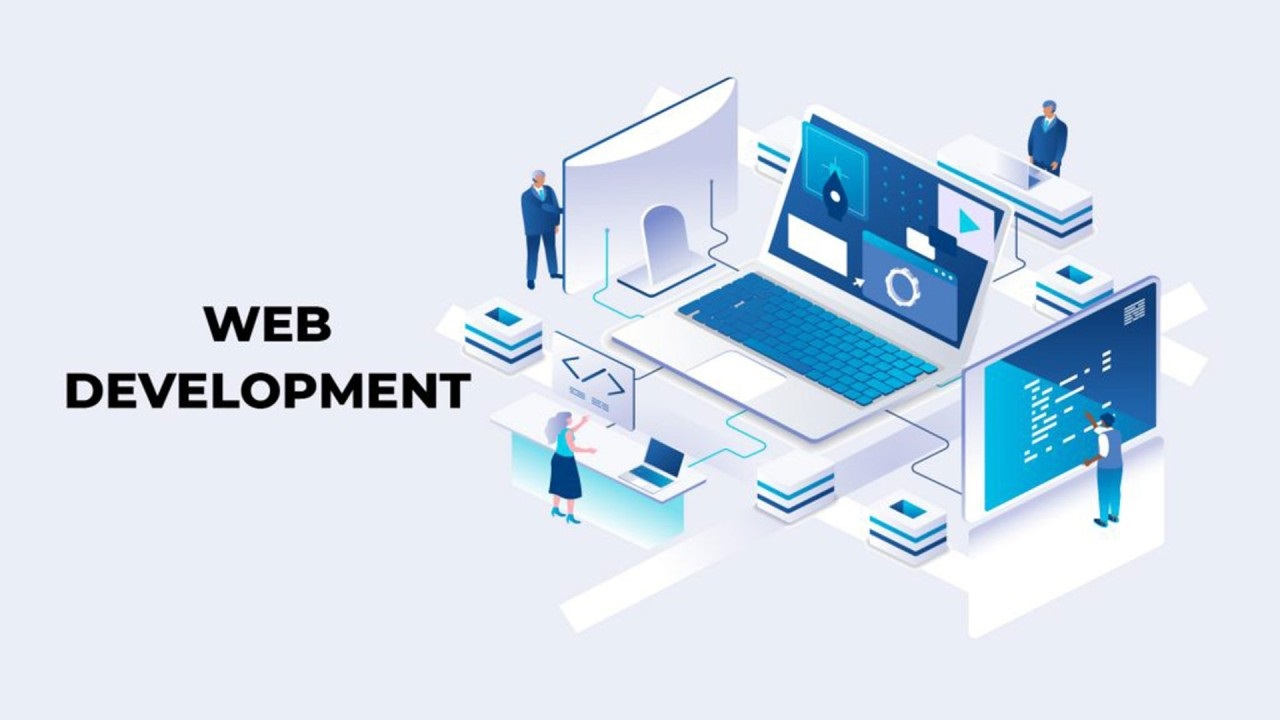
Web development is constantly evolving with new technologies, frameworks, and trends shaping the digital landscape. Businesses and developers must stay ahead of these changes to remain competitive and build cutting-edge solutions. In this article, we explore the latest web development trends and the technologies that will dominate the future.
Key Trends in Web Development
1. Progressive Web Apps (PWA)
Progressive Web Apps combine the best features of web and mobile applications. They offer offline access, fast loading speeds, push notifications, and enhanced security, making them a preferred choice for businesses aiming for high user engagement.
2. AI-Powered Web Solutions
Artificial Intelligence (AI) is transforming web development with features like chatbots, voice search optimization, and personalized content recommendations. AI-powered websites can enhance user experience and automate customer interactions efficiently.
3. Serverless Architecture
Serverless computing allows developers to build and deploy applications without managing server infrastructure. Platforms like AWS Lambda, Google Cloud Functions, and Azure Functions enable cost-effective and scalable solutions.
4. Motion UI for Engaging Interfaces
User experience is a key factor in modern web development. Motion UI integrates animations, transitions, and interactive elements to improve engagement and user retention.
5. Blockchain for Web Security
Blockchain technology enhances web security by enabling decentralized authentication, transparent transactions, and tamper-proof systems. This trend is particularly beneficial for e-commerce, finance, and data-sensitive applications.
Top Technologies Shaping the Future
1. React.js & Next.js for Scalable Frontend Development
React.js remains a dominant framework for building interactive and dynamic UIs. Next.js enhances React applications with server-side rendering (SSR) and improved performance, making it ideal for SEO-friendly websites.
2. Laravel & Django for Backend Efficiency
Laravel (PHP) and Django (Python) are among the most powerful backend frameworks. They provide robust security, scalability, and efficient database management for enterprise-level applications.
3. Node.js for Real-Time Applications
Node.js enables the development of real-time applications, including chat platforms, streaming services, and collaboration tools, by utilizing event-driven, non-blocking architecture.
4. Headless CMS for Flexibility
Headless CMS platforms like Strapi and Contentful allow content management across multiple channels, providing greater flexibility for developers to create seamless omnichannel experiences.
5. API-First Development
With businesses relying on multiple platforms, API-driven development ensures seamless integration with third-party services, mobile apps, and IoT devices, enhancing functionality and connectivity.
Final Thoughts
The future of web development is dynamic and innovative, with technologies like AI, serverless architecture, and blockchain paving the way for smarter and more secure applications. Whether you're a developer or a business owner, staying updated with these trends is essential for success.
! Looking to build a future-ready web solution? Contact us today! !